
Our Rebellion Against the Change of Seasons
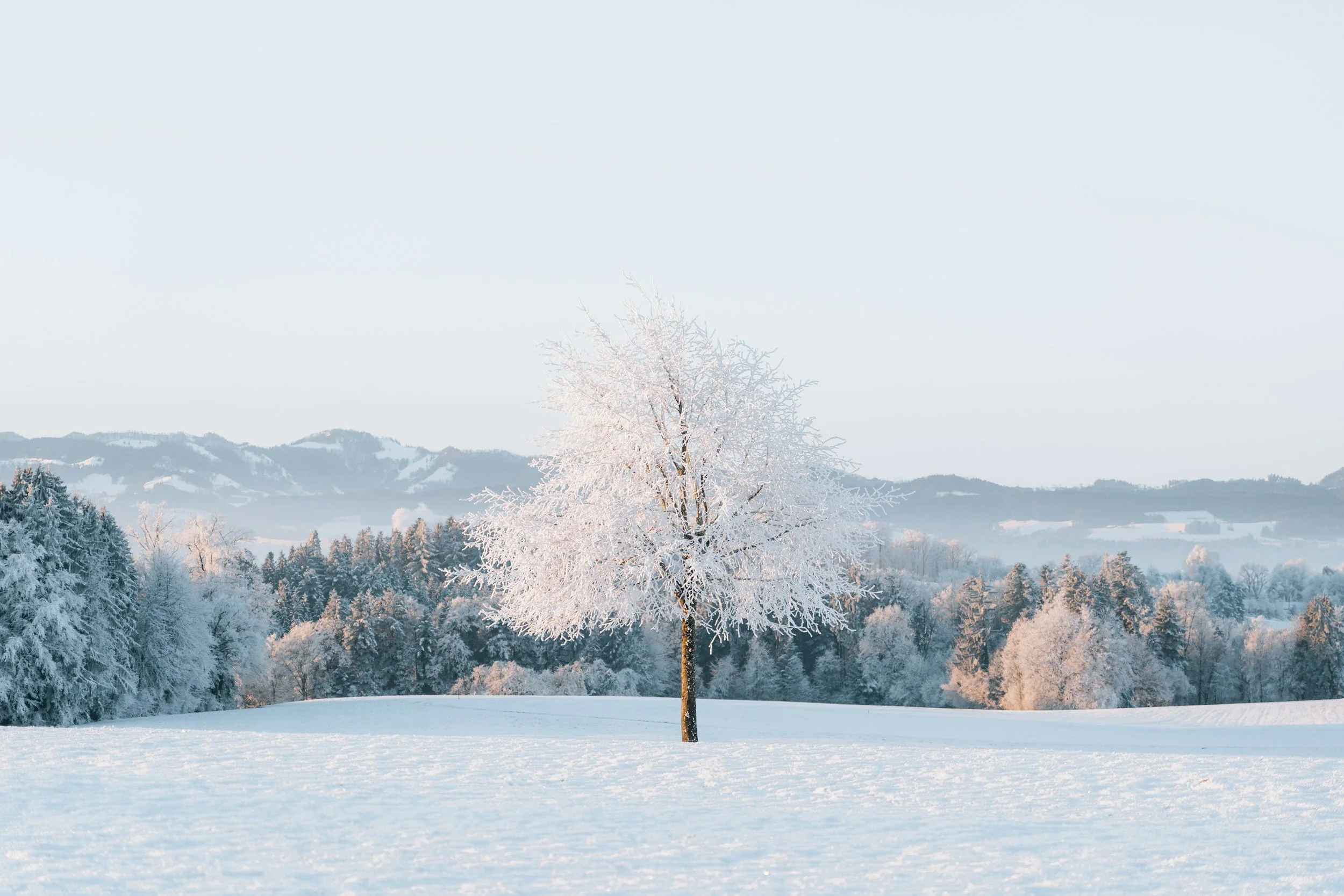
“The seasons don’t matter to us much anymore except as spectacles” (End of Nature by Bill McKibben, page 59).
Nature’s changing seasons have shifted in its significance to us as technologically advanced humans. Now seasons are seen as a beautiful reminder of life’s changes which we look at in awe, rather than a time stamped alteration of life and death.
In a time when humans had less control of the natural world, there was no way to escape the transition of seasons in daily life and decision-making. There was once a time when humans would harvest crops pertaining to a certain season. Now, we are able to produce strawberries all year round. Berries were only meant for summer, lettuce for the winter, and sweet peas for the spring. Now we can enter any grocery store at any time of the year and buy dragon fruit in a cold stark winter or make pumpkin soup in the spring. At a heightened price, yes, but even so, they are there for the purchasing.
There was also once a time when the light of the sun would dictate human productivity and in the winter months when everything was dark and cold, productivity was stunted. Preparation for these times was done in the fall and summer months to prepare for the lack of meat available during hunting due to animals in hibernation. To live through the winter for an infant was a miracle and later on, young children would have the summers off for the sole purpose of working on farms – not because summer break was a time for fun, it was because the seasons called for it. The change of the seasons once meant a change in one’s way of life. Humans were at the mercy of the lifecycle of nature. Every choice and every action humans made was calculated by the seasons and the weather outside.
Now, due to our technological growth and advancement, we are no longer at the mercy of the seasons. If a person wants to stay up late into the night in the middle of winter, the sun will be gone, but warm lighting will remain, thanks to a fluorescent lamp or phone light. If a person wants summer fruits and vegetables in the winter, the options will be endless. In the summer, many children are able to enjoy the sun and vacation instead of helping their parents harvest the family farm. The way in which we operate is no longer in relation to the seasons. Instead, the seasons exist in our lives as a beautiful thing to behold, not as a godly entity that will dictate life.
People take day trips to the suburbs and mountains of New England to encounter the magnificent change of green to red and orange leaves. In the winter months, they vacation to the snow to ski and snowboard along the fresh powdery white that encapsulates the once barren summer mountains. In the spring, humans will shed off coats and purchase new warm-weathered clothing while sprucing up their flower garden beds and lawns. In the summer, the heating of pools and cooking on barbecues will mark another fluctuation of the season's change. One could argue this does mean the seasons are in fact dictating action, but these activities that mark the change of seasons are really just for the spectacle of seasons. These actions are simply traditions humans build into the rotation of life and the passing of time. The seasons don’t hold as much importance as they used to.
Now the seasons are fun moments we celebrate for the purpose and intent of tradition. This is because we’ve progressed in such a way that our modern developments mean no inconvenience or burden when seasons change. Of course, one has to shovel a driveway or rake leaves, but those are added chores, not a change in diet or life and death decision-making.
In wrangling the beast of nature, we’ve positioned ourselves as something separate from nature. Our rhythmic rebellion against the clock of mother nature signals a loss of connectivity to our natural world.
Now before you think I am here to denounce the incredible technological developments of our modern world’s progress, let it be known I am thankful and of course, take part in these modern creations to make human life better. That being said, I wonder if our lack of direct relationship and acknowledgement to nature’s gifts has created a lack of connection with nature. If we participated in mother nature’s seasonal clock through the way we eat, the time we rest, the way we experience life, would our life benefit? Would our relationship with the environment return to a semblance of symbiotic nature? Would being more in tune with nature and the change of seasons help humans to coexist with nature in a positive way and in turn, return us humans to the way god or the universe intended us to live?
